Hair · 4 min read
How AI Can Help You Find Your Best Hairstyle
Hair is probably the single biggest thing you can change about how you look in under an hour. The right cut quietly improves how your jaw reads, how balanced your face looks, even how alert your eyes look. The wrong one does the opposite, and you have to live with it for six weeks. The hard part is that the cut suited to you usually isn't the one you saved on Pinterest — it depends on a handful of variables that humans rarely weigh together and that AI can actually keep track of.
The variables that actually matter
When a vision model evaluates hair it's really juggling five things at once: face shape (oval, round, square, oblong, heart, diamond), forehead height, jaw width, hair texture (straight, wavy, curly, coily), and density (sparse, medium, thick). Each one nudges the answer in a specific direction. A long oblong face wants width near the temples. A round face wants height at the crown and some length below the chin. Thin hair rules out a blunt one-length cut, because nothing draws the eye to a sparse scalp faster than a hard horizontal line.
Why human stylists struggle with this
A good barber can absolutely run those five variables in their head. Most don't, though, because your consult is three minutes long and you've already shown them a reference photo. AI is happy to push back where a stylist won't. It'll tell you the cut you screenshotted last Tuesday assumes a square jaw and dense wavy hair you don't have, which is exactly why it looked off on you when you tried something similar a year ago.
From recommendation to reality
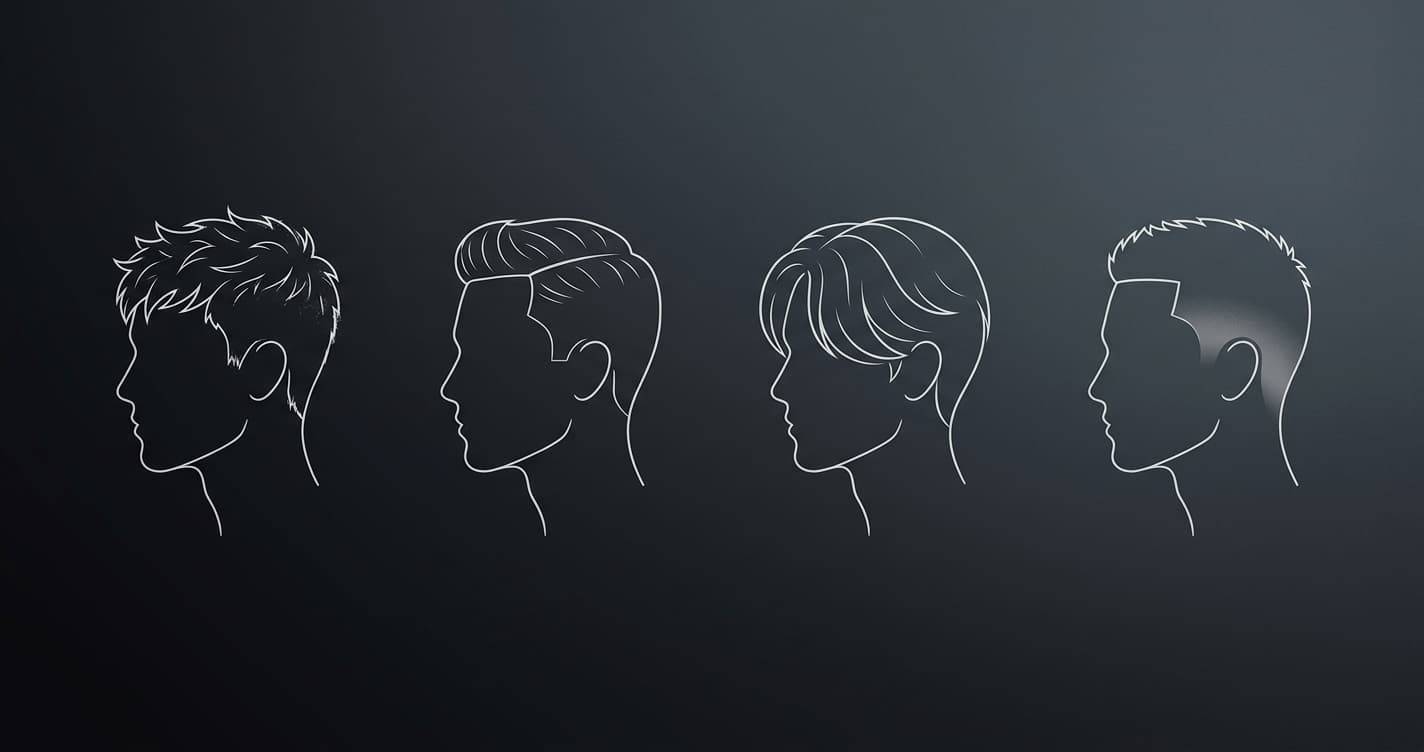
Objektiv's hair module gives you a ranked list of cuts and tells you why each one is on the list: which feature it's playing up, what it's sacrificing in exchange, and how much daily styling you should expect. It also flags the cuts that won't work for you — say, a textured French crop that needs medium thickness to sit right, or a curtain fringe that fights a low hairline. Pair the recommendation with your color season (covered in What Is a Color Season and Why Does It Matter?) before you decide whether to also change tone, not just shape.
What it won't do
AI doesn't cut your hair, and it can't make sure the stylist nails the execution. What it can do is give you a screenshot, a reference image, and a single sentence to read out at the chair — something like “textured crop, two finger lengths on top, faded temple, keep width at the parietal.” A specific brief like that changes the outcome more than almost any other appearance investment at the same price.
How it fits the bigger picture
Hair is one of six modules in a full Objektiv analysis. The others — face geometry, body and posture, color, skin, and outfit — all play off it. A perfect cut in the wrong color palette still underperforms. For more on how the underlying scoring works, see The Science Behind Facial Harmony Scores or jump to About Objektiv for the platform overview. Pricing details live on the pricing page.
Get a hairstyle recommendation tuned to your face
Three free analyses per month. No credit card required.
Try Objektiv freeLast updated: April 25, 2026