Analysis · 7 min read
How to Glow Up: What Changes How Others See You
Free, no account needed. Try it free
Short answer
The glow-up changes you control are ordinary ones, such as enough sleep, clothes that fit and a haircut that suits your face. Studies of sleep, fit, posture and sunscreen find real effects, most of them modest. Start with the fast, cheap changes and ignore promises of a new face.
What a glow-up is
Merriam-Webster lists glow-up as slang for "a usually dramatic enhancement" of someone's appearance, first recorded around 2015. Twelve saved glow-up videos easily add up to fifty tips. How much does each tip change how other people see you, and which do you do first when there is a date in your calendar?
The order we suggest
No study we found ranks these changes against each other on the same faces, so the order below is ours. It starts with what you can do this week, then the changes that take practice or a sort through your closet, then the habit that pays off over years.
This week: sleep
A 2017 study from Karolinska Institutet in Stockholm photographed 25 people once after two nights of 4 hours in bed and once after two nights of 8 hours. The 122 raters judged the short-sleep faces less attractive, less healthy and sleepier, and were less willing to socialize with them. The authors call the effects "arguably quite small". Attractiveness dropped by 0.09 points on a 7-point scale.
This week: the cut
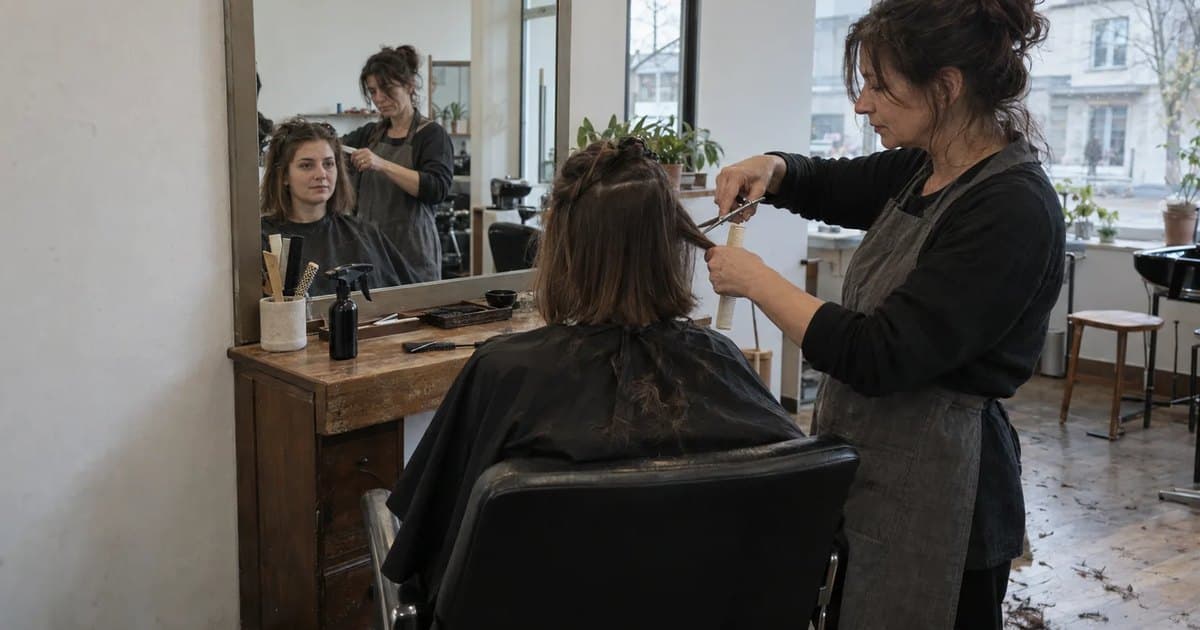
A haircut changes the outline your face sits in, and it takes one appointment. None of the studies in this article tests a haircut. In the example analysis below, the cut is the item labeled high impact. That label is a judgment about one face and may not hold for yours. What hairstyle suits you covers how to choose a cut that suits your face and your hair.
Next: clothes that fit
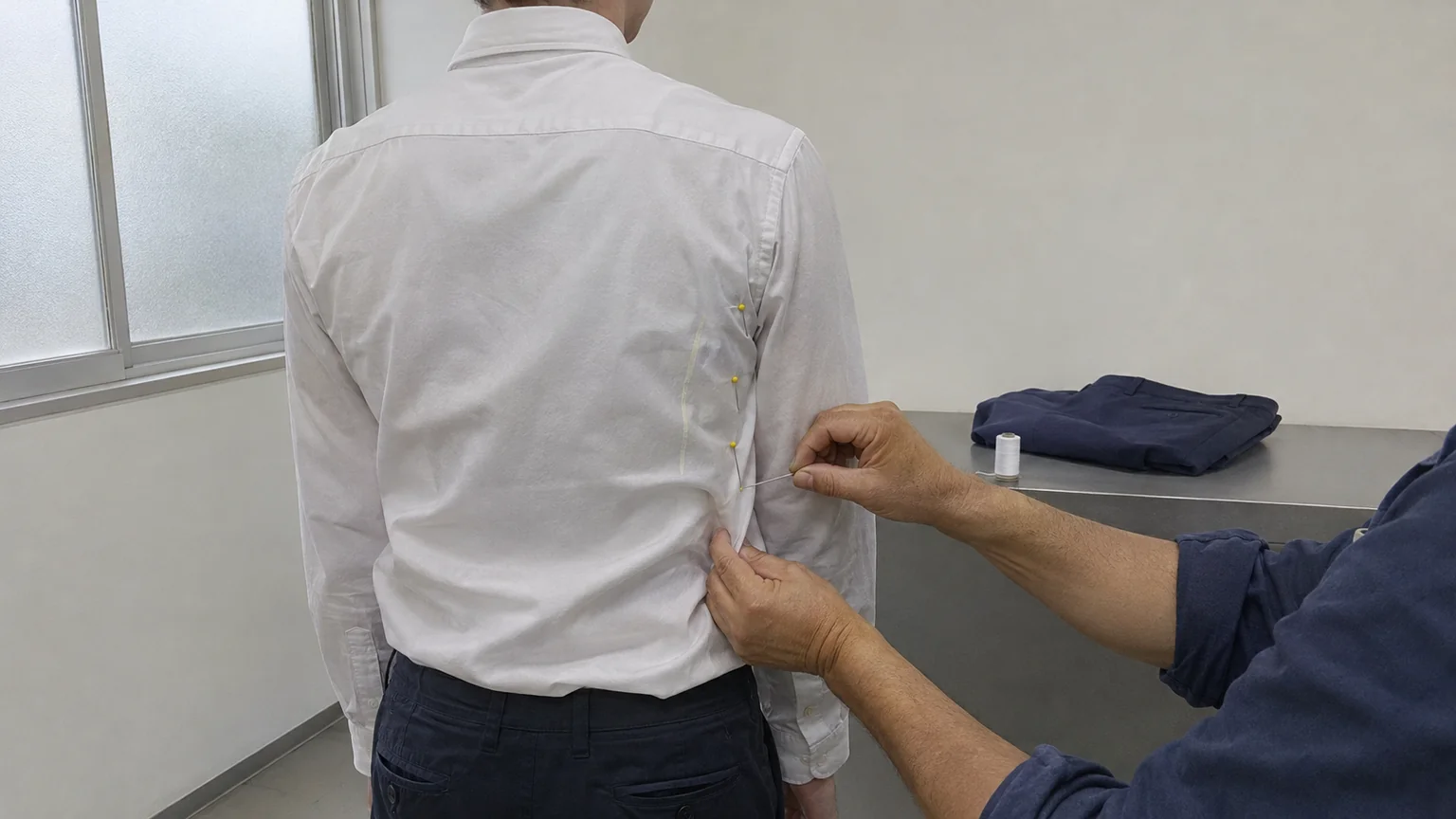
Howlett and colleagues (2013) showed photos of a man with his face hidden to 274 people, for at most five seconds. In a made-to-measure suit he was rated more confident, more successful, higher earning and more flexible than in an off-the-rack suit that differed only in small details. He was not rated more trustworthy.
A 2018 meta-analysis pooled the studies testing whether red makes people more attractive. It found a small effect for men rating women, a very small one for women rating men, and signs that both may have shrunk over time. Choosing colors for your own coloring is a different idea, and this research did not test it. The post on what a color season is explains how coloring is assessed.
Next: posture
Vacharkulksemsuk and colleagues (2016) found that an open posture (limbs spread out rather than pulled in) was the behavior most predictive of attraction across 144 speed dates. In a follow-up on a dating app, 447 of 820 yes responses went to the open-posture photos and 373 to the closed ones.
Every day, for years: sunscreen
The slowest change is backed by a randomized trial. In Nambour, Australia, 903 adults under 55 used either daily broad-spectrum sunscreen (it filters both UVA and UVB rays) or sunscreen as they pleased. After 4.5 years, the daily group's skin had aged 24% less than the other group's, measured on imprints of the skin surface on the back of the hand (Hughes and colleagues, 2013).
Acne, redness or dark patches are a question for a dermatologist. Nothing here is medical advice.
An example analysis and what its labels mean
The list below belongs to Aisha Patel, one of the example profiles on our site. Her front portrait and side profile ran through the analysis of our highest plan, which includes five ranked priorities, each labeled for time, cost and impact:
- Restructure the haircut for more volume at the sides (this week, low cost, high impact).
- Swap cool and neutral tones for the warm earth tones of Deep Autumn, the palette the analysis picked for her coloring (instant, free, medium impact).
- Skin care to even out her tone (this month, low cost, medium impact).
- Fill in the brow tails (instant, low cost, low impact).
- A deep-conditioning treatment for her hair (this week, low cost, low impact).
Time and cost have fixed definitions:
- Time: instant, this week, this month, or 3 to 6 months.
- Cost: free, low (under $50), medium ($50 to $200) or high ($200 and up).
Impact (high, medium or low) has no definition behind it. It is the analysis's own judgment for this face, and so is the order of the five.
Where her five priorities sit
- 1
Haircut with more volume at the sideshigh impact, this week, low cost
- 2
Warm earth tones of Deep Autumnmedium impact, instant, free
- 3
Skin care to even out her tonemedium impact, this month, low cost
- 4
Brow tails filled inlow impact, instant, low cost
- 5
Deep-conditioning treatmentlow impact, this week, low cost
Her example page shows the first three as focus areas, without the labels.
What a glow-up cannot change
No routine moves a jaw or a nose. Jones and Kramer (2016) had raters judge photos of 33 models with and without professional makeup. The women's own faces accounted for 45% of the differences in ratings and the makeup for 33%. In an earlier study they cite, where the women applied their own makeup, the faces accounted for 69% and the makeup for 2%. Faces rated lower without makeup gained the most.
A 2015 study had 547 identical and 214 non-identical twin pairs rate the same faces. Each rater's own taste was behind 52% of the variation in their ratings, and that taste was shaped mostly by experiences unique to them. The other 48% was what raters agreed on.
How to tell whether it worked
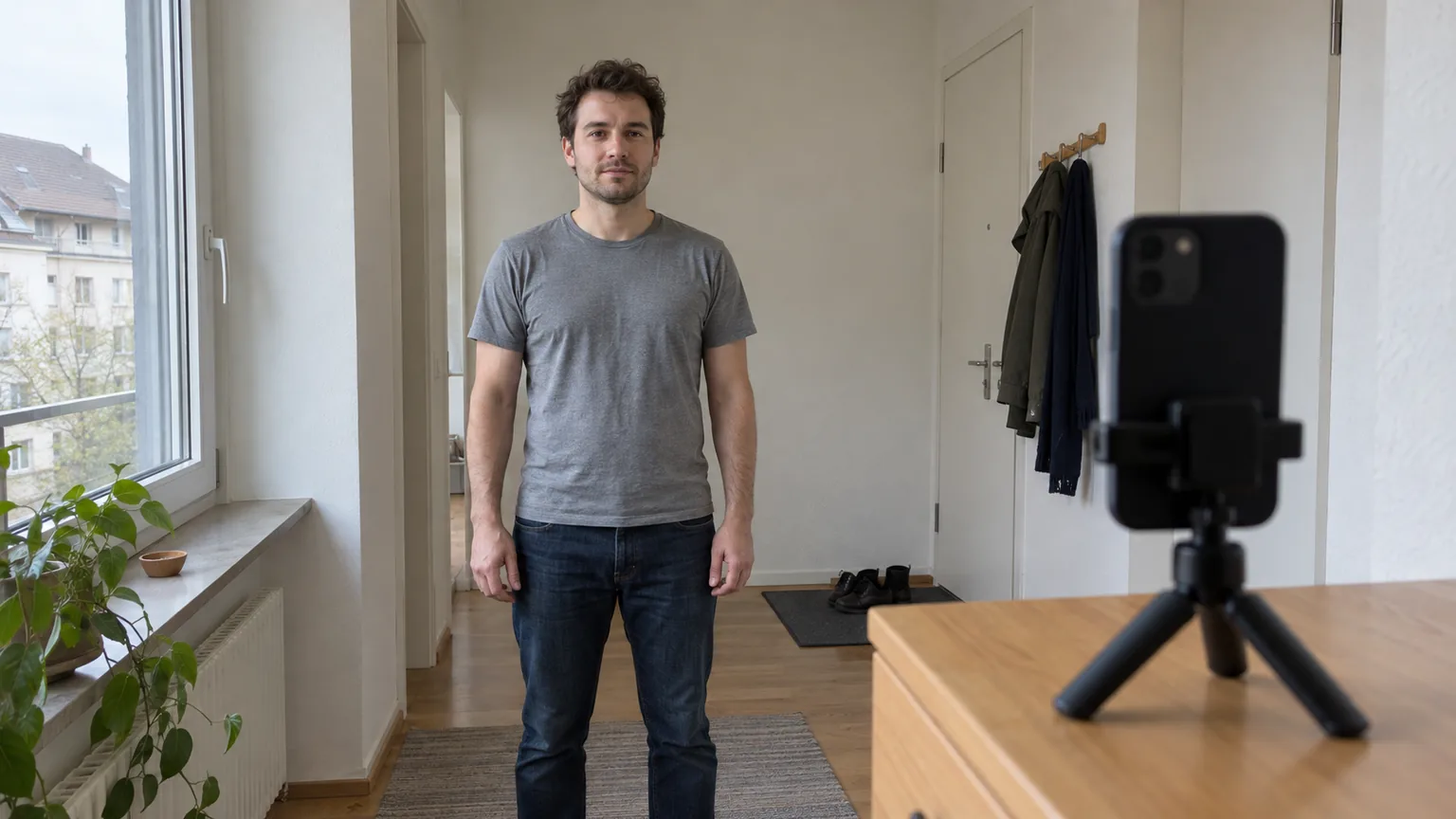
Jenkins and colleagues (2011) found that two photos of the same person can differ more in rated attractiveness than photos of two different people. Camera distance alone distorts a face. In a 2018 geometric model by Ward and colleagues, a selfie at 12 inches makes the nose look about 30% wider relative to the face than it really is, and at 5 feet the effect is essentially gone. Our analysis warns when a photo looks like a close-range selfie.
A fair comparison keeps light and distance the same in both photos. Then ask a few people who do not know which photo is newer to pick the one they prefer. More on why the same face rates differently in two photos.
Where to begin
With a month before your date, we would start with the two this-week changes, the cut and a week of full nights. The rest follows the order above.
Frequently asked questions
How long does a glow-up take?
A new cut and clothes that fit show the day you make them, and the example analysis labels its skin care item for a month. Sun protection is the slow one, and the Australian trial ran for 4.5 years.
How do you glow up as a guy?
The same order applies. The suit study photographed a man, and in the dating-app test the open-posture photos drew more yes responses for men and for women. Grooming that suits your face (a clean beard line, tidy brows) belongs with the this-week changes.
Do you need expensive products?
Not for the changes in this article. Sleep and posture cost nothing, and the one product with trial evidence behind it here is a daily broad-spectrum sunscreen.
See what your own photos point to
Run a free face analysis without an account. Pro and Ultimate add the full ranked list with its time, cost and impact labels.
Last updated: November 12, 2026